
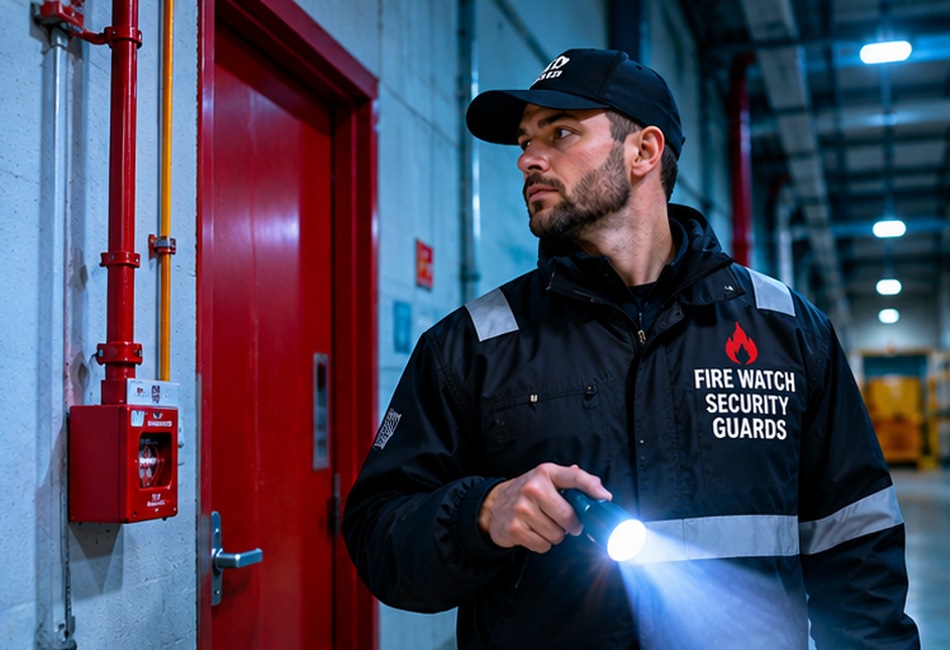
Understanding the Challenges of Multi-Shift Fire Watch Coverage
Properties that operate around the clock may need temporary fire watch coverage across several shifts. Manufacturing plants, warehouses, hospitals, commercial buildings, and construction projects can have different activities taking place during daytime, evening, and overnight hours. Maintaining consistent observation requires more than assigning personnel to separate schedules. The organization must ensure that responsibilities, site instructions, and important safety information are transferred accurately between shifts.
Multi-shift arrangements can become complicated when work schedules change or when different contractors share the same property. An issue identified during one shift may require follow-up by the next team, while repairs or maintenance activities may affect the areas that need attention. A structured coordination plan helps prevent communication gaps and ensures that each shift understands the current conditions. It also gives supervisors a consistent way to review the assignment.
Evaluating Site Conditions Before Scheduling Coverage
Before arranging coverage, property managers should identify the conditions that have created the need for additional fire safety observation. These may include a fire protection system impairment, hot work, construction activity, equipment maintenance, or another temporary hazard. The assessment should identify the affected areas, the expected duration, building occupancy, and any relevant instructions from the authority having jurisdiction.
The site’s operating schedule should also be reviewed. Some facilities have continuous production, while others have reduced activity during overnight periods. However, lower occupancy does not automatically mean that fewer precautions are necessary. Equipment may continue operating, maintenance work may take place, and certain hazards may remain present after employees leave. Scheduling decisions should therefore reflect the actual risk assessment and applicable requirements.
Establishing Responsibilities for Every Shift
Each shift should have clearly defined responsibilities before coverage begins. Managers should explain which areas require observation, how personnel should communicate concerns, and who is responsible for receiving reports. The instructions should also identify the supervisor or facility representative authorized to address changes to the assignment. Clear responsibilities help prevent uncertainty when personnel begin a new shift or encounter an unexpected condition.
A written assignment plan can support consistency across the schedule. It may include the coverage hours, designated locations, access instructions, reporting methods, emergency contacts, and procedures for escalating concerns. Supervisors should ensure that all assigned personnel receive the same current information. When instructions change, the revised version should be communicated to every affected shift so that outdated guidance is not followed.
Creating a Reliable Shift Handoff Process
A shift handoff should transfer the information that incoming personnel need to continue the assignment safely. This may include areas already observed, active work activities, reported concerns, access restrictions, and changes to site conditions. The outgoing person should communicate unresolved matters clearly, while the incoming person should have an opportunity to ask questions about important instructions.
Emergency Fire Watch arrangements can involve several personnel when a property requires coverage across multiple shifts. For this reason, managers should establish a consistent handoff method rather than relying only on informal conversations. Written logs, approved digital records, and direct briefings can help preserve important details. The process should make it clear which issues require immediate attention and which matters need routine follow-up.
Coordinating Coverage during Overnight Operations
Overnight operations may involve fewer employees, reduced management availability, and different access arrangements. A facility may still contain active machinery, stored materials, maintenance work, or temporary equipment that requires attention. Managers should review these conditions when planning overnight coverage and provide personnel with clear instructions for contacting the appropriate representative outside normal business hours.
Access and communication arrangements should be checked before the overnight shift begins. Personnel should know which entrances are authorized, where restricted areas are located, and how to report an urgent concern. If a building representative is not physically present, the organization should identify an available contact who can respond to notifications. These details help ensure that the assignment remains properly coordinated when normal daytime support is limited.
Managing Schedule Changes and Personnel Replacements
Unexpected absences, delayed repairs, and extended work schedules can affect multi-shift coverage. Managers should have a process for communicating schedule changes and arranging appropriate replacements when necessary. Any replacement personnel should receive the current assignment instructions before taking responsibility for observation. They should understand the site’s layout, reporting process, emergency contacts, and any conditions that require particular attention.
Coverage should not be assumed to continue automatically when a schedule changes. Supervisors should verify that the required personnel are present and that handoff information has been transferred. If the original assignment needs to be extended, the responsible manager should review the revised duration and confirm that the arrangements remain suitable. Prompt communication helps prevent avoidable gaps and reduces confusion during personnel transitions.
Maintaining Consistent Reporting Across Shifts
Reports from different shifts should follow a consistent format so that supervisors can review activity without having to interpret several unrelated reporting styles. Depending on the assignment, records may include observation times, locations checked, conditions identified, notifications made, and any follow-up required. Personnel should use clear, factual descriptions and avoid leaving important details out of the record.
Supervisors should review reports regularly and communicate relevant findings to incoming teams. For example, a concern identified during an evening shift may require inspection or corrective action during the following morning. A consistent reporting process helps ensure that the information reaches the people responsible for making decisions. It also supports a clearer record of the temporary safety arrangements throughout the assignment.
Coordinating Fire Watch with Contractors and Facility Teams
Multi-shift properties often have several departments and contractors working at different times. Maintenance teams may work overnight to avoid interrupting production, while cleaning crews and delivery personnel may enter during early morning hours. These activities can change access arrangements or introduce new conditions that affect the fire watch assignment. Managers should communicate relevant schedules and work locations to the people coordinating coverage.
Contractors should understand the site’s reporting requirements and notify the responsible representative when their work changes. Facility supervisors should also share updates about system impairments, completed repairs, or newly identified hazards. When hot work is involved, the appropriate permit and fire prevention procedures should be followed. Coordinating these activities helps ensure that temporary observation supports the wider site safety plan.
Preparing Every Shift for Emergency Communication
Every shift should understand how to report an emergency and what actions are expected under the site’s procedures. Personnel should know the correct contact details, communication equipment, and notification process. If a fire alarm system is impaired, management should ensure that alternative emergency notification arrangements are communicated to affected occupants and workers in accordance with applicable requirements.
Emergency instructions should be specific to the property. They may cover evacuation routes, assembly locations, restricted access points, and procedures for contacting emergency services. Personnel should receive appropriate training for their assigned duties and understand the limits of their responsibilities. Managers should periodically verify that contact information and communication methods remain available across all operating hours.
Reviewing Multi-Shift Performance and Improving Coordination
Once the temporary assignment is complete, managers should review the handoff records, patrol reports, schedule changes, and communication between shifts. This review can reveal whether information was transferred accurately and whether the planned coverage matched the property’s changing conditions. Feedback from personnel may also identify unclear instructions, access difficulties, or delays in receiving management responses.
The organization can use these findings to improve future assignments. Possible improvements include updating written instructions, standardizing shift logs, revising contact lists, and providing additional briefings before coverage begins. A consistent approach helps every shift work from the same information and understand its responsibilities. With careful scheduling, reliable handoffs, and regular review, properties can coordinate temporary fire watch arrangements more effectively across continuous operations.