
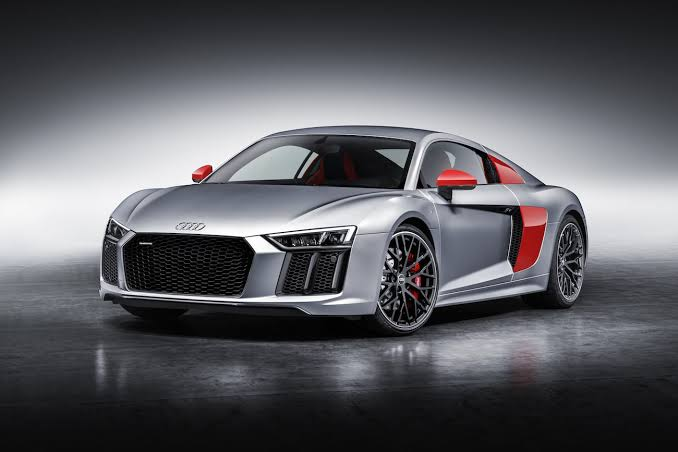
Audi is a globally recognized automotive brand known for combining elegant design, advanced technology, refined interiors, and engaging driving experiences. Over the years, the brand has developed a strong identity within the premium automobile audi108 login industry. From compact cars to luxury sedans, sporty vehicles, and SUVs, Audi offers a broad range of models designed for different lifestyles and driving preferences.
The History and Development of Audi
Audi has a long history in the automotive industry, with roots that reach back to the early development of German automobile manufacturing. The brand has evolved through several important stages and has become associated with engineering, innovation, and distinctive vehicle design.
The four-ring logo is one of the most recognizable symbols in the automotive world. It represents the historic connection of four automobile manufacturers that eventually became part of Auto Union. This heritage continues to influence Audi’s identity today.
Throughout its development, Audi has focused on creating vehicles that balance performance and comfort. Engineering improvements, design changes, and technological developments have helped the company remain competitive in the premium vehicle market.
Audi Design Philosophy
One of the first things people notice about Audi vehicles is their design. Audi generally follows a clean and sophisticated styling philosophy. Many models feature carefully shaped body lines, distinctive lighting elements, and recognizable front grilles.
The exterior design often combines simplicity with a sporty appearance. Designers pay attention to details such as wheel designs, headlights, aerodynamic shapes, and body proportions. These elements give Audi vehicles a distinctive road presence without relying on overly complicated styling.
Interior design is equally important. Audi cabins are commonly associated with high-quality materials, modern dashboards, comfortable seating, and technology-focused layouts. Depending on the model and trim, drivers may find leather or premium upholstery, digital displays, ambient lighting, and advanced infotainment systems.
Audi Performance and Driving Experience
Performance is another important part of the Audi identity. The company produces vehicles with a wide range of engines and powertrains, allowing customers to choose according to their needs.
Some Audi models are designed primarily for comfort and everyday driving, while performance-oriented versions focus more heavily on acceleration, handling, and dynamic driving characteristics. Audi’s engineering approach aims to create vehicles that feel controlled and responsive while maintaining a comfortable ride.
The driving experience can also vary significantly between models. A compact Audi may emphasize agility and efficiency, while a larger sedan or SUV can provide additional space and long-distance comfort. Sport-focused models typically offer stronger performance and more specialized engineering.
Quattro All-Wheel Drive Technology
Audi is particularly well known for its quattro all-wheel-drive technology. The system has played an important role in the company’s engineering reputation and has been used across various Audi models.
All-wheel drive can help distribute power between the vehicle’s wheels and improve traction under appropriate driving conditions. This can be useful when roads are wet, slippery, or uneven. The exact operation and capabilities of the system vary depending on the vehicle and drivetrain configuration.
Quattro has also contributed to Audi’s history in motorsport, where traction and vehicle control are especially important. The technology helped demonstrate how developments from competitive driving could influence road-going vehicles.
Audi Technology and Innovation
Technology is a major feature of modern Audi vehicles. Newer models can include digital instrument displays, touchscreen infotainment systems, smartphone connectivity, navigation, voice controls, and advanced driver-assistance features.
Digital dashboards have changed the way drivers interact with their vehicles. Instead of relying entirely on traditional gauges and physical controls, many modern Audi models use digital displays that can present driving information in different formats.
Connectivity is another important area. Drivers may be able to connect smartphones, access navigation information, stream audio, and use compatible applications through the vehicle’s infotainment system.
Audi also incorporates technology designed to support driver awareness and convenience. Depending on the model, features may include parking assistance, adaptive cruise control, lane-related assistance, traffic monitoring, and camera-based systems.
Audi SUVs and Family Vehicles
SUVs have become increasingly popular around the world, and Audi offers several vehicles in this category. Audi SUVs are designed to combine passenger space with premium features and everyday practicality.
Models in different size categories provide options for individuals, couples, and families. Larger SUVs can provide additional seating and cargo capacity, while smaller SUVs may be easier to maneuver in urban environments.
Audi SUVs typically maintain the brand’s emphasis on modern styling and technology. Their higher seating position can also provide drivers with a different view of the road compared with traditional sedans.
Audi Electric Vehicles
The automotive industry is changing rapidly as manufacturers develop electric vehicles, and Audi has invested heavily in electric mobility. The company’s electric models are designed to combine battery-powered driving with the premium features associated with the Audi brand.
Electric Audi vehicles can offer quiet operation, instant torque, and modern digital technology. Battery capacity, charging speed, range, and performance vary between individual models.
Charging infrastructure is an important part of electric vehicle ownership. Drivers need to consider access to home charging, public charging stations, charging times, and daily driving requirements when choosing an electric vehicle.
Audi’s move toward electric mobility demonstrates how established automotive manufacturers are adapting to changing customer expectations and environmental regulations.
Safety and Driver Assistance
Safety remains an important consideration when choosing a vehicle. Audi incorporates a range of safety technologies into its modern vehicles, although exact equipment depends on the model and configuration.
Safety systems can include airbags, electronic stability systems, braking assistance, cameras, sensors, and driver-assistance technologies. These systems are intended to support the driver and improve awareness in different driving situations.
It is important for drivers to understand that assistance features are not replacements for careful driving. Drivers should remain attentive and follow local traffic laws while using any vehicle.
Audi for Everyday Driving
Although Audi is associated with luxury and performance, many of its vehicles are designed for everyday use. Comfortable interiors, practical cargo areas, modern connectivity, and available driver-assistance features can make Audi vehicles suitable for commuting and longer journeys.
Choosing the right model depends on individual requirements. Someone who spends most of their time driving through a city may prefer a smaller vehicle, while a family may prioritize an SUV with more interior and cargo space. Drivers interested in performance may look toward sport-oriented models.
Maintaining an Audi
Regular maintenance is important for keeping any vehicle reliable, and Audi vehicles are no exception. Routine servicing may include oil and filter changes for applicable engines, brake inspections, tire checks, fluid inspections, battery maintenance, and scheduled service.
Owners should follow the maintenance schedule recommended for their specific model. Using appropriate replacement parts and qualified technicians can also help maintain vehicle performance.
Keeping service records organized is useful for tracking maintenance and can be valuable when a vehicle is eventually sold.
The Future of Audi
The future of Audi is likely to continue emphasizing electrification, digital technology, advanced vehicle systems, and evolving design. Automotive customers increasingly expect vehicles to provide connectivity, efficiency, comfort, and sophisticated technology.
Audi’s challenge is to combine these developments with the driving experience and design qualities that have helped establish its identity. As electric mobility and intelligent vehicle technologies continue developing, the brand will have opportunities to introduce new approaches to performance and transportation.
Conclusion
Audi represents a combination of automotive heritage, modern design, engineering, technology, and performance. Its range includes vehicles suited to everyday transportation, family use, luxury driving, sporty performance, and electric mobility.
From its recognizable four-ring logo and distinctive styling to technologies such as quattro and modern digital systems, Audi has developed a strong presence in the premium automotive market. As the automobile industry continues to evolve, Audi’s focus on innovation and new vehicle technologies will remain an important part of its journey.