
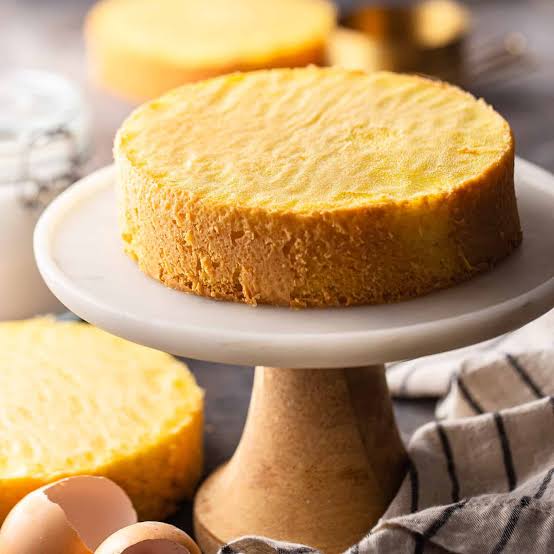
Sponge cake is a timeless favorite because of its light texture, delicate crumb, and delicious flavor. Whether served at birthdays, family gatherings, afternoon tea, or special celebrations, a perfectly baked sponge cake can make any occasion memorable. However, achieving that soft, airy texture is not always as simple as it appears. Even experienced home bakers can make small mistakes that affect the cake’s height, moisture, flavor, and overall appearance.
Understanding these common baking problems is the first step toward achieving consistent results. From measuring ingredients incorrectly to opening the oven too early, several seemingly minor errors can turn a promising recipe into a disappointing dessert. By learning how to avoid these issues, home bakers can improve their techniques and prepare a sponge cake that looks attractive and tastes wonderful.
1. Measuring Ingredients Incorrectly
One of the most common sponge cake mistakes is using inaccurate ingredient measurements. Baking depends on the right balance of flour, sugar, eggs, and other ingredients. Even small differences can affect the cake’s structure and texture.
Adding too much flour may produce a dense, dry cake, while excessive sugar can weaken the structure and cause the cake to collapse. Using too little flour may prevent the batter from holding enough air.
To avoid this problem, follow the recipe carefully and use a digital kitchen scale whenever possible. Measuring ingredients by weight provides greater consistency than estimating quantities with cups. If using measuring cups, level dry ingredients rather than packing them tightly.
2. Using Ingredients at the Wrong Temperature
Ingredient temperature plays an important role in successful baking. Cold eggs may take longer to whip and incorporate air, while ingredients at unsuitable temperatures can make the batter less uniform.
Many sponge cake recipes work best with room-temperature eggs because they can produce a stable, voluminous foam when beaten. However, some recipes require separating the eggs or using a specific preparation method, so following the instructions remains essential.
Prepare your ingredients before starting. If the recipe calls for room-temperature eggs, remove them from the refrigerator in advance. This simple habit helps create a smoother batter and improves consistency.
3. Failing to Whip the Eggs Properly
Eggs are one of the most important ingredients in many traditional sponge cakes. They trap air during beating, helping the cake rise and develop its characteristic light texture.
Under-whipping the eggs is a common mistake because the batter may not contain enough air to produce a fluffy result. On the other hand, poorly handled egg foam can lose volume before baking.
When a recipe requires whole eggs and sugar to be beaten together, continue mixing until the mixture becomes pale, thick, and significantly increased in volume. Depending on the recipe, the mixture may fall from the whisk in a ribbon that remains visible briefly on the surface.
Use clean equipment and follow the recipe’s recommended mixing method. Properly aerated eggs provide the foundation for a light and delicate sponge cake.
4. Overmixing the Batter After Adding Flour
Once flour is added to whipped eggs, gentle handling becomes essential. Many home bakers mix too vigorously because they want to eliminate every visible trace of flour quickly.
Unfortunately, aggressive mixing can deflate the air incorporated during whipping. Excessive mixing may also develop gluten, potentially producing a tougher texture.
Sift the flour before adding it to help distribute it evenly. Then use a spatula to fold the flour into the mixture with slow, controlled movements. Move the spatula through the center and around the sides of the bowl, lifting the batter gently.
Stop folding when the flour is incorporated. Avoid unnecessary stirring, as preserving the air in the mixture is crucial for a successful sponge cake.
5. Choosing the Wrong Baking Pan
The size, shape, and material of a baking pan can influence how a cake rises and bakes. Using a pan that is too large may produce a thin cake, while a pan that is too small can cause the batter to overflow.
Dark metal pans may absorb heat differently from lighter-colored pans, potentially affecting browning and baking time. Glass and ceramic dishes can also behave differently from metal pans.
Always choose the pan recommended by the recipe. If you need to substitute another size, remember that the batter depth and baking time may change.
Prepare the pan according to the recipe’s instructions. Some sponge cakes benefit from greased pans, while others rely on ungreased sides to help the batter climb as it rises. Avoid assuming that every recipe requires the same preparation method.
6. Setting the Oven Temperature Incorrectly
An oven that is too hot can cause the outside of a sponge cake to set before the center has finished baking. This may result in excessive browning, cracking, or an uneven rise.
If the oven is too cool, the cake may take too long to set, potentially becoming dense or sinking after baking.
Preheat the oven fully before placing the cake inside. An inexpensive oven thermometer can help identify temperature differences between the displayed setting and the actual oven temperature.
Follow the recipe’s recommended temperature and position the pan on the specified rack. Avoid making frequent temperature adjustments unless there is a clear reason to do so.
7. Opening the Oven Door Too Early
Curiosity often leads home bakers to open the oven door repeatedly to check their cakes. Although checking progress is understandable, opening the door too early can introduce cooler air and disturb the cake before its structure has set.
A sudden temperature change may contribute to sinking, particularly during the early stages of baking.
Instead, allow the sponge cake to bake undisturbed for most of the recommended time. Check for doneness near the end of the baking period using the method specified in the recipe.
The cake should generally look set and lightly golden, with no wet batter in the center. A gentle touch may also help indicate whether the surface springs back, although the best test depends on the recipe.
8. Removing the Cake Before It Is Fully Baked
A sponge cake can look finished on the outside while remaining underbaked in the middle. Removing it too early may leave the center wet or gummy and cause the cake to collapse as it cools.
Do not rely exclusively on the color of the surface. Check the center carefully, using a clean skewer if appropriate. If it emerges with wet batter attached, additional baking time is needed.
Because ovens vary, treat the stated baking time as a guide rather than an absolute rule. Allow the cake to finish baking without exposing it to unnecessary temperature changes.
9. Cooling the Cake Incorrectly
Cooling is another important stage that home bakers sometimes overlook. Removing a delicate cake from its pan too soon can cause it to break, while leaving it in the pan for too long may create excess moisture around the edges.
Follow the cooling instructions in your recipe. Many sponge cakes benefit from resting briefly in the pan before being transferred to a wire rack. Other styles may need to cool upside down or remain in their pans until completely cool.
Allow sufficient air circulation around the cake. Avoid covering it while it is still warm, as trapped steam can make the surface damp.
10. Ignoring Freshness and Storage
Even a perfectly baked sponge cake can lose its appeal if it is stored incorrectly. Leaving it uncovered exposes the cake to air, causing it to dry out. Storing it while warm can trap moisture and affect its texture.
Once completely cool, place the cake in an airtight container. If you plan to decorate it with cream, custard, or another perishable filling, refrigerate it as required for food safety.
For longer storage, sponge cake layers can often be wrapped securely and frozen. Thaw them according to the recipe or decorating plan to help preserve their texture.
11. Adding Too Much Liquid or Flavoring
Home bakers sometimes modify recipes by adding extra milk, juice, extracts, or other flavorings. While experimentation can be enjoyable, too much liquid may alter the batter’s balance and interfere with the cake’s structure.
Liquid flavorings should be measured carefully, especially in recipes designed around whipped eggs. Ingredients such as cocoa powder or additional dry flavorings can also change the proportions and texture.
For the best results, begin with a reliable recipe and make small adjustments only when you understand how they affect the batter. Add flavor thoughtfully rather than changing several ingredients at once.
Conclusion
Baking a light and delicious sponge cake requires attention to detail, but the process becomes easier with practice. Accurate measurements, properly whipped eggs, gentle folding, suitable oven temperatures, and correct cooling techniques all contribute to a successful result.
The most important lesson is that every stage of baking matters. A small mistake early in the process can affect the final texture, while careful preparation can prevent many common problems.
By recognizing these errors and developing consistent habits, home bakers can improve their confidence and produce cakes with a soft crumb, balanced flavor, and attractive appearance. Whether you are preparing a simple afternoon treat or a beautifully decorated celebration dessert, mastering these fundamentals will help you achieve better sponge cake results every time.