
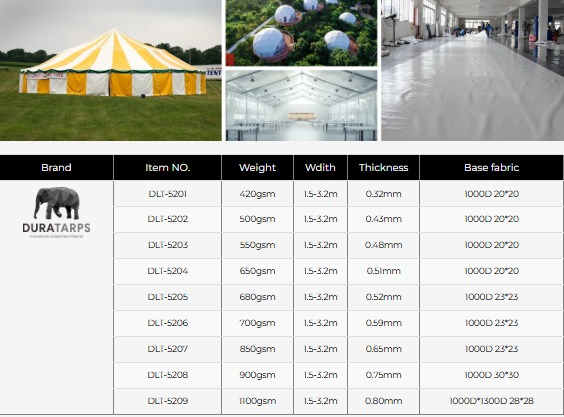
PVC coated fabric is a popular material used in many industries because of its durability, water resistance, flexibility, and easy maintenance properties. From outdoor furniture covers and tents to industrial curtains, vehicle interiors, protective sheets, and advertising materials, this fabric provides excellent performance in demanding environments. However, regular cleaning and proper maintenance are essential to preserve its appearance, strength, and long service life. Understanding the right methods for caring for pvc coated fabric can help prevent damage and keep the material looking new for years.
Understanding PVC Coated Fabric and Its Benefits
PVC coated fabric is created by applying a layer of polyvinyl chloride (PVC) coating over a base fabric, such as polyester or nylon. This protective coating improves the fabric’s resistance to moisture, chemicals, abrasion, and harsh weather conditions. Because of these qualities, PVC coated fabric is widely used in applications where strong and reliable materials are required.
One of the main advantages of this fabric is its low maintenance requirement. Unlike many traditional fabrics, PVC coated fabric does not easily absorb water or collect deep stains. Its smooth surface allows dirt, dust, and other contaminants to be removed more easily. However, improper cleaning methods or the use of harsh chemicals can weaken the coating and reduce the material’s durability.
Regular Cleaning Routine for PVC Coated Fabric
A consistent cleaning schedule is one of the best ways to maintain PVC coated fabric. Regular maintenance prevents dirt, dust, and environmental pollutants from building up on the surface. Before starting the cleaning process, remove loose dirt using a soft brush, microfiber cloth, or gentle vacuum attachment.
For basic cleaning, mix warm water with a mild soap or gentle detergent. Use a soft sponge or cloth to apply the solution to the surface. Avoid aggressive scrubbing because excessive pressure may damage the PVC layer. Clean the fabric using gentle circular motions and focus on areas where dirt has accumulated.
After cleaning, rinse the material thoroughly with clean water to remove any soap residue. Leaving detergent on the surface for a long period can cause discoloration or a sticky texture. Allow the fabric to air dry completely before folding, storing, or using it again.
Removing Stains from PVC Coated Fabric
Although PVC coated fabric is resistant to many types of stains, certain substances may require special attention. Oil, grease, ink, food marks, and chemical spills should be cleaned as soon as possible to prevent permanent staining.
For oily stains, use a mild cleaning solution designed for coated surfaces. Apply the cleaner to a small hidden area first to ensure it does not affect the color or texture. Avoid using strong solvents, bleach, or abrasive cleaners because they can break down the PVC coating.
For tougher stains, gently rub the affected area with a soft cloth and repeat the cleaning process if necessary. Patience is important because using excessive force can cause more harm than leaving the stain for a second cleaning attempt. Proper stain removal techniques help extend the lifespan and maintain the quality of PVC coated fabric.
Protecting PVC Coated Fabric from Environmental Damage
PVC coated fabric is designed to handle outdoor conditions, but long-term exposure to extreme environments can still affect its performance. Direct sunlight, heavy rain, temperature changes, and pollution may gradually reduce the fabric’s appearance and flexibility.
When possible, store PVC coated fabric products in a clean and dry location when they are not in use. If the material is used outdoors, consider adding protective covers or placing it in shaded areas to reduce ultraviolet exposure. UV-resistant treatments can also help improve protection against sun damage.
Moisture management is another important part of maintenance. Although PVC coated fabric is waterproof, trapped moisture between folded layers can encourage mold and mildew growth. Always ensure the fabric is completely dry before storage. Proper ventilation helps prevent unpleasant odors and surface damage.
Avoiding Common Maintenance Mistakes
Many problems with PVC coated fabric occur because of incorrect cleaning habits. One common mistake is using household chemicals that are too strong. Products containing bleach, acetone, or harsh acids can weaken the coating and cause cracks or fading.
Another mistake is using rough brushes, steel wool, or sharp tools to remove stains. These materials can scratch the surface and create areas where moisture and dirt can collect. Always choose soft cleaning tools that protect the smooth finish of the fabric.
Folding or storing dirty fabric is also a poor practice. Dirt particles left on the surface can become harder to remove over time and may contribute to premature wear. Cleaning the material before storage keeps it in better condition and makes future use easier.
Long-Term Care Tips for PVC Coated Fabric
Proper long-term care involves more than occasional cleaning. Regular inspections can help identify early signs of wear, such as cracks, peeling, fading, or weakened areas. Addressing small problems quickly can prevent more expensive repairs or replacement.
Avoid placing heavy or sharp objects directly on PVC coated fabric surfaces. Although the material is highly durable, excessive pressure or sharp edges may damage the protective coating. Using proper handling techniques helps maintain its structural integrity.
If the fabric is used in industrial or commercial environments, creating a maintenance schedule can improve performance. Regular inspections, cleaning routines, and proper storage procedures ensure that the material continues to meet performance expectations.
Choosing the Right Cleaning Products
Selecting suitable cleaning products is essential for maintaining PVC coated fabric. Mild soaps, pH-neutral cleaners, and products specifically designed for coated materials are usually the safest choices. Before applying any new product, test it on a small area to confirm compatibility.
Avoid products that contain strong chemicals or abrasive ingredients. The PVC coating provides protection, but it still requires careful treatment to maintain its flexibility and appearance. Using the right products preserves the fabric’s protective layer and prevents unnecessary damage.
Conclusion
Cleaning and maintaining PVC coated fabric effectively requires simple but consistent care. Regular washing, gentle stain removal, proper drying, and careful storage can significantly increase the material’s lifespan. By avoiding harsh chemicals, protecting the surface from environmental damage, and following recommended maintenance practices, PVC coated fabric can continue to provide reliable performance for many years.
Whether used for industrial applications, outdoor products, transportation solutions, or protective coverings, well-maintained PVC coated fabric remains a durable and practical choice. A proper care routine not only improves its appearance but also protects the investment made in this versatile and long-lasting material.